The in-house influencer marketing manager role suits people who want depth in one brand, while the agency role suits people who want breadth, pace and client-facing variety. The deciding factor is who you answer to every day: a single internal team, or a roster of clients with different goals, categories and expectations.
Both versions run influencer campaigns from briefing through reporting, and both depend on sourcing creators who fit the campaign goals. The difference shows up in the relationships. Agency managers work closely with clients, creators and internal teams, keep clients updated on progress, timelines and performance, and respond quickly when requests or problems land. In-house managers carry the same craft into one business, where strategy and brand consistency take priority over account juggling.
The timing is useful context. Public conversation around the Sega Influencer Marketing Shift shows how closely brands now scrutinize who runs their creator programs, and how.
This guide is for job seekers, career changers and businesses deciding how to staff creator marketing. As a Canadian Google Partner agency, we’ll compare the two paths side by side, then show who should choose which, and how to prepare to get hired in Canada.
Agency vs. In-House Influencer Marketing Managers at a Glance
The core difference is simple: an agency influencer marketing manager spreads their attention across several clients, while an in-house manager goes deep on one brand. Both run the same basic lifecycle, from briefing to reporting, but the audience, pace and scope change a lot.
On the agency side, the role is client-facing. It supports the planning and delivery of influencer campaigns across lifestyle, entertainment and gaming brands, and it means working closely with clients, creators and internal teams. The in-house role keeps the same craft but answers to colleagues rather than external clients.
| Dimension | Agency Influencer Marketing Manager | In-House Influencer Marketing Manager |
|---|---|---|
| Primary focus | Campaigns across multiple client brands | Creator strategy for a single brand |
| Who you answer to | Assigned client accounts and agency leads | Internal marketing, brand and social stakeholders |
| Campaign scope | Varied briefs across lifestyle, entertainment and gaming | Ongoing programmes tied to one brand’s goals |
| Creator relationships | Sourcing creators matched to each client’s goals | Longer-term relationships with a smaller creator pool |
| Reporting | Progress, timelines and performance updates for clients | Performance reporting for internal leadership |
| Typical strengths | Client service, adaptability, range of exposure | Brand depth, continuity, cross-team alignment |
Strategic input also differs in kind. Agency managers offer recommendations to clients who may or may not adopt them. In-house managers help shape the strategy itself and live with the results.
If you like variety and fast exposure to different industries, the agency path is the natural fit. If you want to build something lasting for one brand, in-house is worth aiming for. The next sections unpack each role and its daily workflow.
What Each Role Is: Defining the Agency and In-House Influencer Marketing Manager

The Agency-Side Role
On the agency side, the influencer marketing manager is the person clients talk to. The role is client-facing from day one, supporting the planning, execution, and delivery of influencer campaigns for lifestyle, entertainment, and gaming brands.
Much of the work is communication. You stay in regular contact with your assigned client accounts, keep them updated on campaign progress, timelines, and performance, and respond quickly when requests come in. When something goes sideways, you’re the one helping resolve it before it becomes a bigger problem.
Behind the scenes, you coordinate closely with creators and internal teams so campaigns run smoothly, on time, and to a high standard. That means managing each campaign from briefing through reporting, and sourcing and recommending creators who actually fit the campaign goals rather than simply the biggest audiences.
Because you’re juggling several client accounts at once, the pace is fast and the variety is constant.
The In-House Role
In-house, the influencer marketing manager owns creator strategy for one brand. Instead of juggling several client accounts, you go deep on a single audience, a single voice and a single set of goals. Your “clients” are colleagues: the brand, social, content, and wider marketing teams who need campaigns to land on schedule and reflect the company’s positioning.
The workflow still runs from briefing through reporting. You identify creators who fit campaign goals, write briefs, coordinate timelines, and keep execution on track. The difference is who you answer to. Progress updates, approvals, and performance reviews go to internal stakeholders, often leadership, rather than an external client.
That setup rewards patience and depth. Long-term creator relationships become a real asset, since you can build on what worked across campaigns rather than starting fresh for each new account.
Daily Responsibilities Compared: From Briefing to Reporting
Client Communication and Stakeholder Management
At an agency, communication is the job’s steady heartbeat. A manager is assigned specific client accounts and talks to those clients day to day, keeping them updated on campaign progress, timelines, and performance. Speed matters here. Clients expect prompt responses to their requests, and the manager is the one who helps resolve challenges before they grow into problems. Every conversation is external, so tone, clarity, and follow-through shape the client relationship.
In-house, the “client” becomes a set of internal stakeholders. Instead of status emails to an outside brand, you’re securing approvals from brand, legal, and social teams, aligning creator plans with wider marketing priorities, and making sure everyone agrees on what success looks like. The work leans less on managing external expectations and more on building internal buy-in. Both paths reward the same habit: no surprises, and no one left guessing where a campaign stands.
Creator Sourcing, Briefing, and Campaign Delivery
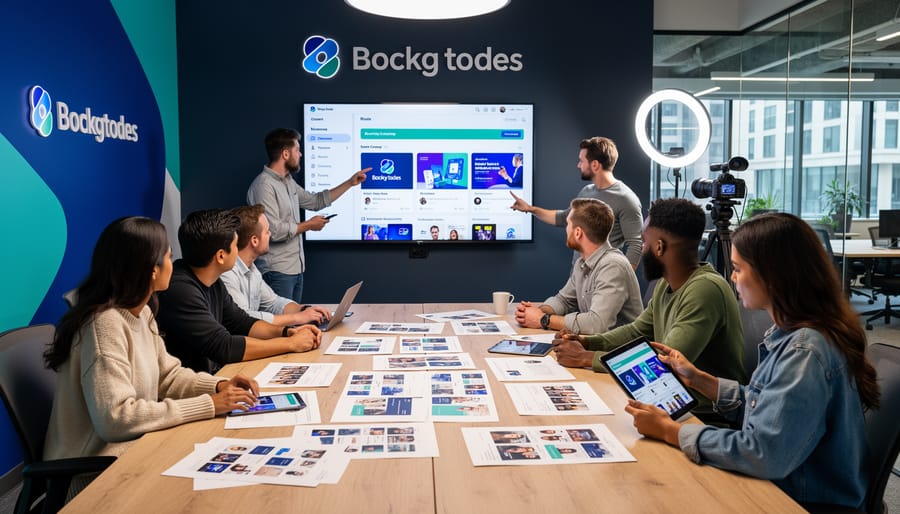
Creator selection is where campaign results are won or lost. Whether agency-side or in-house, the manager recommends creators whose audience, content style, and values match the campaign goals, rather than chasing follower counts. That means checking past brand partnerships, audience fit, and how naturally a creator’s content could carry the message.
Once creators are confirmed, the brief becomes the working document. A good one sets out objectives, key messages, deliverables, usage expectations, approval steps, and deadlines, while leaving room for the creator’s own voice. Vague briefs create revision rounds, and revision rounds create delays.
From there, the job is coordination. The manager works closely with creators, clients or internal teams, and anyone else involved to keep drafts, feedback, and publishing dates moving. When a creator misses a deadline or a client changes direction, the manager resolves it quickly so the campaign is delivered smoothly, on time, and to a high standard.
Performance Reporting and Strategic Input
Reporting is where the work of an influencer marketing manager gets judged. Agency-side, the audience is the client, so updates on campaign progress, timelines and performance need to be clear, frequent and tied back to what the brand set out to achieve. Strong reporting here does more than list results. It offers strategic input, such as which creators or content angles should carry forward and what to adjust next time.
In-house, the audience shifts to internal leadership, marketing colleagues and brand teams. They tend to care less about a single campaign’s polish and more about how creator work supports wider business goals. Framing results inside a broader strategic marketing plan helps leadership see where influencer activity fits and where budget should go.
Either way, the habit is the same: report honestly, explain the reasoning behind your recommendations, and keep the next step visible.
Preparing for the Interview: What Employers Are Likely Probing For

Interviewers rarely want a recitation of your résumé. They want proof that you can run a campaign without losing the thread, so prepare stories that map to the real responsibilities of the job.
Start with the campaign lifecycle. Be ready to walk through managing a campaign from briefing through reporting: how you translated a goal into a brief, how you kept timelines on track, and what you checked once content went live. Use a real example, even a small one, and be clear about your own contribution.
Next, rehearse how you handle client communication. Day to day, the role means keeping assigned accounts updated on progress, timelines and performance, and responding promptly when requests come in. Think of a moment when something slipped, such as a delayed deliverable or a creator who dropped out, and explain how you flagged it early and resolved it. Calm, specific problem-solving matters more than a flawless record.
Be prepared to justify creator selection, too. Employers want to hear that you recommend creators because they fit campaign goals, audience and brand tone, not because they have the biggest following. Practise explaining why you would pick one creator over another, and what trade-offs you weighed.
Finally, plan how you present reporting. Show that you can take performance results and turn them into a clear takeaway and a next step, adjusting the framing for a client versus an internal leadership team.
If you lack professional experience, build a small case study. Coursework, a personal channel, a volunteer project or related social media work can all become a one-page narrative: the goal, your brief, the creators or content you chose, and what the results taught you. A short, honest portfolio piece gives you concrete material to draw on, whatever questions come up.
How to Break Into the Role in Canada
Breaking into influencer marketing management in Canada rarely happens in one jump. Most people reach the manager title by stacking relevant experience first, then moving into an agency coordinator or account role that lets them own campaigns end to end.
Start with hands-on work that mirrors the job. Social media management, community management, and content or creator coordination all build the instincts you’ll need: spotting which creators fit a campaign goal, writing a clear brief, and keeping timelines on track. If you don’t have paid experience, run a personal channel, volunteer for a local business, or coordinate a small collaboration and document what you did.
Next, build the skills the role leans on every day. Client-facing work means regular updates on progress, timelines, and performance, and quick, calm responses when something goes sideways. Practise writing concise status updates and turning a problem into a proposed fix. Pair that with analytics fundamentals: know how to read reach, engagement, and conversion data, and how to translate it into a short report that a non-specialist can act on.
Disclosure matters too. In Canada, sponsored content generally needs to be clearly identified so audiences aren’t misled, and creators and brands share responsibility for that. Learn the basics of transparent sponsored-content labelling before you brief your first creator, and check current guidance from Canadian advertising and consumer-protection bodies for specifics.
Agencies are often the most direct route in. A coordinator or account executive position exposes you to multiple client accounts, campaign briefing through reporting, and the strategic conversations that lead to a manager title. It also helps to understand why businesses invest in outside expertise in the first place; our look at marketing agency value shows how agencies create results clients can’t easily build alone, which is useful framing for interviews.
As a Google Partner agency working in the Canadian market, we see the strongest candidates pair curiosity about creators with discipline around reporting and client service.
Which Path Fits You: Choosing Between Agency and In-House
If you thrive on variety, the agency route is likely your fit. You’ll work with several client accounts at once, stay in regular contact with clients, and pick up fast exposure to different industries, including lifestyle, entertainment, and gaming. The pace is quick, and so is the learning curve. You’ll manage campaigns from briefing through reporting while keeping clients updated on progress, timelines, and performance.
If you’d rather go deep, in-house may suit you better. You’ll focus on one brand, build lasting relationships with creators, and see how a single audience responds over months rather than weeks. The trade-off is a narrower range of industries, though the strategic ownership can be richer.
Businesses weighing the same decision face a similar choice. An in-house hire gives you dedicated brand knowledge, while an agency offers broader creator networks and flexible capacity. Many teams start with an agency and bring the function in-house as it matures. Whichever you choose, pair creator work with solid fundamentals, such as the principles behind Page Experience SEO so the traffic that influencer campaigns drive lands on a site that performs well.
Frequently Asked Questions About the Influencer Marketing Manager Role
What does an influencer marketing manager do?
They manage influencer campaigns from briefing through reporting, source and recommend creators who fit the campaign goals, and keep timelines on track. On the agency side, that also means day-to-day communication with assigned client accounts and keeping clients updated on progress and performance.
Is an agency or in-house role better for beginners?
Agency work offers faster exposure to different brands and clients, which suits people who want variety while they learn. In-house roles suit those who would rather build depth on one brand. Neither is universally better; it comes down to how you prefer to work.
What skills are needed?
Clear communication, responsiveness and problem-solving matter most, since the role involves working closely with clients, creators and internal teams. Campaign coordination, creator sourcing and performance reporting round out the core toolkit.
Do you need a degree?
We haven’t verified a universal degree requirement, and expectations vary by employer. Practical experience in social media, community management or creator coordination, backed by a small portfolio of campaign work, is a sensible way to show you can do the job.
How does the Sega Influencer Marketing Shift affect demand for the role?
It signals that gaming and entertainment brands are taking creator-led strategy seriously, and that kind of investment tends to increase the need for people who can run campaigns well. We can’t point to specific hiring figures, but the direction favours skilled managers.
Questions you can’t find answered here often come down to local conditions. If you’re weighing the role in Canada, start with the entry points covered earlier and build outward from there.
Agency and in-house influencer marketing managers run the same basic campaign lifecycle: sourcing creators, briefing them, keeping timelines on track, and reporting on results. What changes is the shape of the work. Agency roles are broader and more client-facing, spread across several brands, while in-house roles go deeper on one brand and its long-term creator relationships.
The Sega Influencer Marketing Shift is a useful signal here. Gaming and entertainment brands are treating creator-led strategy as a core channel, and that raises the bar for people who can manage campaigns well from start to finish.
If you’re aiming for the role, start by building campaign experience and reporting skills, then choose the environment that matches how you like to work. If you’re a business weighing your options, decide whether you need breadth and flexibility or sustained depth. As a Canadian Google Partner agency, AdvertisingWeek sees both models work well when the fit is right.