Sega Corporation is executing a fundamental marketing overhaul in response to the commercial disappointment of two major releases, Sonic Racing: CrossWorlds and Shinobi: Art of Vengeance, shifting its promotional strategy from traditional advertising to influencer-led, community-driven campaigns. The gaming giant has acknowledged these titles failed to meet internal sales targets and identified a critical gap in its approach to audience engagement, prompting investment in dedicated influencer marketing leadership and partnerships designed to build sustained fandom rather than short-term awareness.
The strategic pivot centers on three core elements: appointing William Hyde as Director of Influencer Marketing to formalize creator relationships, forging partnerships like the recent collaboration with Liquid Media, and moving away from one-off promotional campaigns toward data-driven, long-term creator collaborations that deliver measurable community connection. This represents a broader industry maturation, where influencer marketing has evolved from ad-hoc sponsorships into a sophisticated discipline requiring brand safety protocols, performance prediction, and alignment that extends far beyond follower counts.
For marketing professionals, Sega’s experience illustrates a critical lesson: even established brands with iconic franchises can stumble when relying solely on conventional advertising channels. The company’s commitment to a unified global publishing approach and emphasis on authentic community recommendations signals recognition that today’s gaming audiences demand genuine engagement over polished marketing messages. This shift offers a practical blueprint for businesses navigating similar challenges, where traditional reach no longer guarantees conversion and trust-based creator partnerships increasingly determine commercial success.
The Games That Changed Everything
Sonic Racing: CrossWorlds and Shinobi: Art of Vengeance arrived with established IP recognition and substantial marketing budgets, yet both titles became case studies in modern launch failures. Sega’s internal performance reviews were blunt: CrossWorlds fell short of commercial targets, and Shinobi couldn’t translate nostalgia into sales momentum despite targeting a franchise-hungry audience.
The autopsy revealed a pattern traditional gaming publishers increasingly face. Both launches relied heavily on paid advertising placements, pre-roll video spots, and broad demographic targeting across mainstream channels. What looked comprehensive on media plans translated poorly into actual player interest. Gaming communities discussed the titles sporadically, streamers gave them minimal airtime, and the Reddit threads that did emerge focused more on what felt missing than what excited players.
The disconnect wasn’t about budget allocation or reach metrics. Sega’s traditional advertising successfully put these games in front of millions of eyeballs. The problem was context and trust. A 30-second spot interrupting content tells gamers a game exists; a streamer they follow spending three hours genuinely engaged with mechanics, laughing at bugs, or explaining why something works tells them whether that game deserves their time and money. Modern gaming purchases increasingly depend on this second type of signal, and Sega’s fragmented regional campaigns delivered almost none of it.
These failures forced an uncomfortable recognition: the advertising playbook that built Sega’s reputation no longer matched how 2026 gaming audiences discover, evaluate, and commit to new titles.
Sega’s New Marketing Blueprint
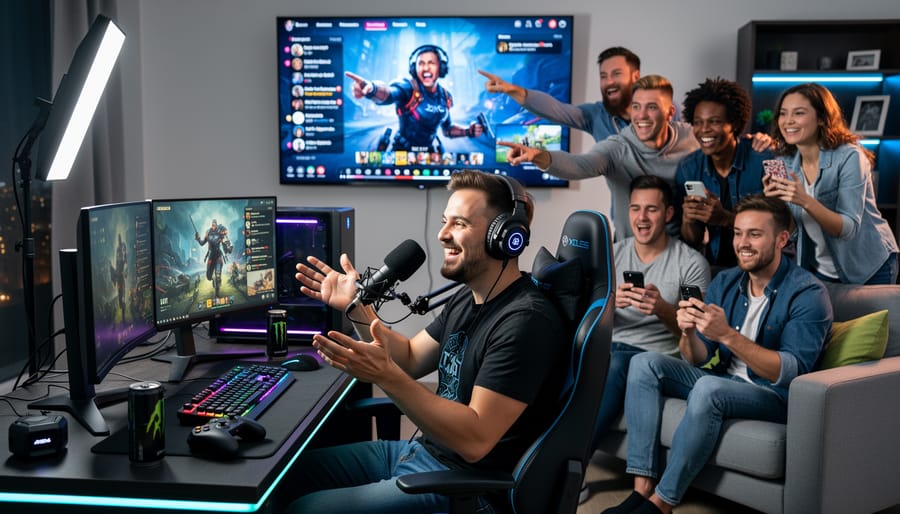
Sega’s response goes beyond surface-level adjustments. The company is implementing a fundamental restructuring of how it brings games to market, moving away from fragmented regional campaigns toward a unified global publishing model. This shift recognizes that gaming audiences today form communities across borders, sharing recommendations and building hype through peer networks rather than responding to location-specific advertising pushes.
At the core of this blueprint sits fandom-building, a strategy that treats engaged communities as the primary growth engine rather than a secondary consideration. Sega’s announcement emphasizes influencers, celebrities, and community-driven recommendations as the channels through which this engagement will happen. The logic is straightforward: when audiences trust a creator’s perspective or see genuine enthusiasm within their community, they’re far more likely to invest time and money in a title than when they encounter a standard ad placement.
This mirrors successful approaches seen in other digital spaces. Just as businesses have learned to navigate community marketing on Reddit by providing value first and selling second, Sega is recognizing that gaming audiences reward authenticity and punish promotional tactics that feel disconnected from their interests. The shift requires patience and a willingness to cede some narrative control to creators and fans who will shape how games are perceived.
The emphasis on audience engagement over ad impressions represents a measurable change in success metrics. Traditional advertising operates on reach and frequency. Sega’s new approach prioritizes depth of connection, time spent with content, and organic sharing behaviors. This matters because gaming purchases increasingly follow social proof rather than advertising exposure. A streamer playing through an early level with genuine reactions can influence more purchasing decisions than a polished trailer served to millions.
Why Influencer Marketing Has Evolved Beyond Sponsored Posts
From One-Off Campaigns to Sustained Partnerships
Gaming audiences can spot manufactured enthusiasm instantly. A creator posting about a game once for payment, then never mentioning it again, signals a transaction rather than genuine interest. That’s why the industry is moving away from one-off campaign deals toward sustained partnerships that mirror how real communities form around games.
When a creator becomes a consistent voice for a game or franchise over months or years, their audience witnesses authentic engagement rather than fleeting promotion. The recommendation carries weight because the creator has invested time, built expertise, and demonstrated genuine affinity. This sustained presence creates familiarity and trust that a single sponsored stream or video cannot replicate.
For gaming brands facing similar challenges to Sega’s recent struggles, this shift matters tremendously. A three-month partnership allows a creator to explore different aspects of a game, respond to community questions, and share evolving perspectives. The audience sees depth rather than surface-level coverage. These longer relationships also give brands time to refine messaging based on what resonates, much like optimizing Page Experience SEO requires ongoing adjustment rather than one-time fixes.
The cost structure changes too. Instead of paying premium rates for single posts, sustained partnerships often involve tiered compensation aligned with performance milestones and mutual success metrics. Creators gain stable relationships and ongoing content opportunities. Brands gain authentic advocates who speak from experience rather than reading from a brief. In gaming, where communities form tight bonds around shared experiences, these deeper partnerships build the fandom-driven engagement that traditional advertising cannot deliver.
What Sega’s Infrastructure Changes Tell Us
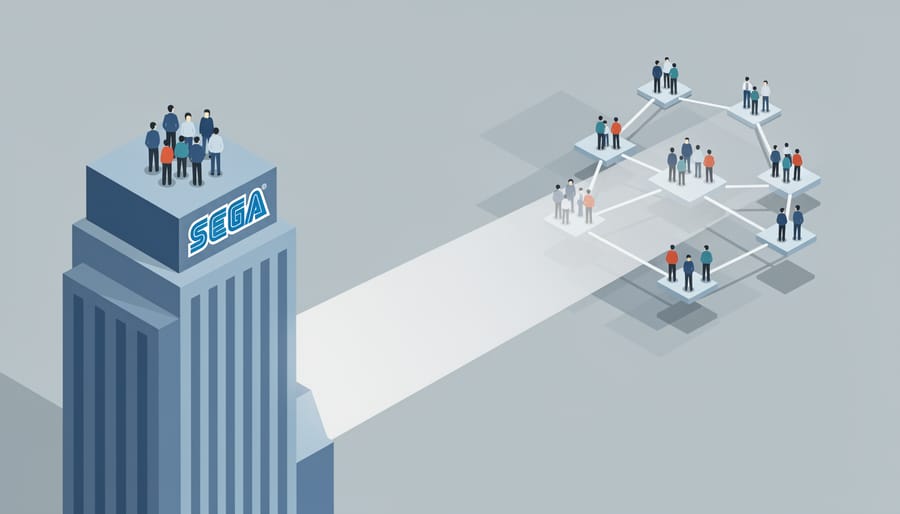
Sega’s strategic pivot goes beyond press releases and planning documents. The company is investing in the organizational infrastructure needed to execute influencer-first marketing at scale.
The clearest signal came with the hiring of William Hyde as Director of Influencer Marketing. This dedicated leadership role demonstrates that Sega views influencer engagement as a core competency requiring specialized expertise, not a side project managed by existing marketing staff. Hyde’s appointment suggests the company recognizes that successful creator partnerships demand someone who understands platform dynamics, community management, and the nuanced relationships between gaming audiences and the influencers they trust.
The partnership between Liquid Media and Sega of America, Inc. reinforces this commitment. While specific details about the collaboration remain limited, the move indicates Sega is building relationships with entities that can help scale influencer operations, manage creator networks, or provide the data infrastructure needed for sophisticated campaign execution. This type of external partnership typically signals a company’s recognition that building internal capabilities alone won’t deliver results fast enough.
These structural changes carry a clear message for other gaming brands and entertainment companies: shifting marketing budgets toward influencers without changing how your organization functions won’t work. You need people who live in creator ecosystems, understand what drives authentic engagement, and can identify which partnerships will actually move sales numbers. Sega is betting that infrastructure investments will turn strategic intent into measurable outcomes.
What This Means for Gaming Brands in 2026
Sega’s strategic overhaul offers a stark reality check for gaming brands still relying on broadcast advertising to reach players. When a franchise as established as Sonic Racing can underperform despite traditional marketing spend, the message is clear: audience expectations have fundamentally changed. Players in 2026 discover games through trusted voices in their communities, not through ad spots they actively avoid.
The shift toward influencer-first strategies requires more than reallocating budget. Brands need infrastructure to identify creators whose audiences genuinely align with their games, not just those with the largest follower counts. This means moving beyond vanity metrics to examine engagement patterns, audience demographics, and the authentic fit between a creator’s content style and your brand values. Sega’s decision to hire dedicated influencer marketing leadership and establish structured partnerships reflects this operational reality.
For marketing teams considering a similar pivot, the lesson is to start with a measurable marketing plan that defines success beyond launch-week sales spikes. Track community sentiment, content creation velocity around your titles, and how player conversations evolve across platforms. These indicators reveal whether you’re building sustainable interest or just generating temporary noise.
The gaming audience’s shift away from traditional advertising also intersects with broader search behavior changes, similar to what we’re seeing in SEO service restructuring across industries. Players research games through YouTube walkthroughs, Twitch streams, and Discord recommendations before they ever see a search ad or banner placement.
Brands that treat influencer marketing as a checkbox exercise, funding one-off sponsored posts without nurturing ongoing relationships, will likely face the same disconnect that prompted Sega’s overhaul. Sustained partnerships with creators who genuinely play and understand your games deliver far stronger results than scattershot campaigns chasing trending personalities.
Sega’s strategic pivot from traditional advertising to influencer marketing represents more than damage control after Sonic Racing: CrossWorlds and Shinobi: Art of Vengeance underperformed. It’s a public acknowledgment that reach without resonance is wasted spend, and that modern gaming audiences trust community voices over polished ad campaigns.
The company’s commitment to fandom-building through influencers, celebrities, and sustained creator partnerships signals a fundamental shift in how major publishers approach their audiences. Hiring dedicated influencer marketing leadership and establishing strategic partnerships demonstrate Sega understands this change requires infrastructure, not just budget reallocation.
For marketers watching this unfold in 2026, the lesson is clear: audience-centric strategies built on data-driven insights and authentic engagement deliver results traditional methods can’t match. Brands ready to make similar transformations need partners who understand both the strategic framework and the execution details. AdvertisingWeek brings that dual expertise, combining innovative digital marketing approaches with the technical capabilities of a Google Partner to help businesses build campaigns that genuinely connect with their target audiences.