Optimize product review URLs with specific e-liquid flavors and brand names rather than generic identifiers, ensuring search engines can immediately understand your content relevance. Structure each review page with schema markup that highlights ratings, flavor profiles, nicotine strengths, and price points—critical factors that influence both search visibility and click-through rates from results pages. If you’re evaluating e-liquids for your own vape business, check them out to understand how professional retailers present their product ranges. Target long-tail keywords that match actual purchase behavior, such as “best strawberry cream vape juice 2024” or “tobacco e-liquid reviews Canada” rather than broad, competitive terms that rarely convert.
The vape e-liquid review landscape presents unique SEO challenges that generic content strategies fail to address. Regulatory restrictions limit traditional advertising channels, making organic search visibility essential for driving qualified traffic. Meanwhile, search algorithms increasingly prioritize expertise, authoritativeness, and trustworthiness—qualities that authentic, detailed reviews naturally demonstrate when optimized correctly.
This guide delivers industry-specific tactics developed through work with Canadian vape retailers and leverages Google Partner insights to help you capture high-intent customers actively researching their next purchase. You’ll discover how to structure review content that satisfies both search engine requirements and user expectations, implement technical optimizations that boost discoverability, and measure performance metrics that directly correlate with revenue growth. The strategies outlined address the complete review optimization lifecycle, from keyword research through conversion tracking.
Understanding Search Intent for Vape E-Liquid Reviews

Commercial vs. Informational Intent in Vape Searches
Successfully optimizing vape e-liquid review content requires understanding customer behavior and distinguishing between two distinct search intents. Informational searchers use queries like “what is vape juice” or “best vape flavors explained” to research products and learn about vaping. These users sit at the top of the funnel and aren’t ready to purchase immediately. Commercial intent searches, however, signal buying readiness through phrases like “buy vanilla custard e-liquid” or “best price 60ml nicotine salt.”
To capture informational traffic, create comprehensive educational content addressing common questions, ingredient breakdowns, and flavor profile explanations. Structure these pages to naturally guide readers toward product-specific reviews as they progress through their research journey.
For commercial intent keywords, optimize review pages with transactional elements including clear pricing information, availability status, purchase links, and comparison tables. These pages should feature detailed product specifications, authentic user testimonials, and prominent calls-to-action.
The most effective strategy combines both approaches by mapping content to different funnel stages. Deploy informational content to build authority and capture early-stage traffic, then strategically interlink to commercial review pages that convert research into sales. This dual approach maximizes visibility across the entire customer journey while addressing diverse user needs.
Long-Tail Keywords That Convert
Long-tail keywords represent your most valuable opportunities in the competitive vape e-liquid review space. These specific, intent-driven search phrases typically convert at higher rates because searchers know exactly what they’re looking for.
Focus on flavor-specific combinations that mirror how consumers actually search. Examples include “best strawberry cream e-liquid 2024,” “tropical fruit vape juice reviews,” or “dessert flavored e-liquids with minimal throat hit.” These queries demonstrate clear purchase intent and face less competition than generic terms.
Nicotine strength variations provide another high-converting pattern. Target phrases like “50mg salt nicotine e-liquid reviews,” “zero nicotine fruit vapes comparison,” or “best 3mg freebase e-liquids for sub-ohm.” These searchers are typically in the decision-making phase and ready to purchase.
Brand comparison keywords capture users evaluating specific options. Optimize for searches such as “Naked 100 vs Dinner Lady flavor comparison” or “best alternative to Juice Head e-liquids.” Create dedicated comparison content that directly addresses these queries.
Device compatibility queries also convert exceptionally well. Target “best e-liquids for JUUL compatible pods” or “high VG juice for cloud chasing reviews.” Include technical specifications and compatibility details in your reviews to capture this traffic.
Use keyword research tools to identify search volume and competition levels, prioritizing terms with commercial intent indicators like “best,” “review,” “vs,” and specific product attributes that signal readiness to purchase.
Structuring E-Liquid Reviews for Maximum SEO Impact
Essential Elements Every Review Must Include
Successful e-liquid reviews that rank well and convert readers into customers must include specific structural elements that both search engines and potential buyers expect. Understanding these components ensures your content satisfies user intent while maximizing SEO performance.
Product specifications form the foundation of any credible review. Include essential details such as nicotine strength options, VG/PG ratios, bottle sizes, and ingredient transparency. This technical information addresses specific search queries and establishes authority, signaling to Google that your content provides comprehensive coverage.
Flavor profile descriptions require detailed sensory analysis that goes beyond basic categorizations. Describe primary notes, undertones, and how the taste evolves throughout the vaping experience. Use specific descriptors rather than generic terms—for example, “Madagascar vanilla with caramel sweetness” rather than simply “sweet.” This specificity captures long-tail search queries and helps users determine product suitability.
Throat hit assessment evaluates the physical sensation during inhalation, a critical factor for former smokers and experienced vapers. Document whether the hit is smooth, harsh, or somewhere between, and how nicotine strength affects this characteristic.
Vapor production analysis appeals to cloud-chasers and discreet vapers alike. Quantify output relative to comparable products and explain how device settings influence results.
Value analysis contextualizes pricing within the competitive landscape. Compare cost-per-milliliter against similar products and assess whether quality justifies the price point.
Finally, comparative context positions the product within its category. Reference similar flavors or competing brands to help readers make informed decisions while naturally incorporating related keywords that strengthen your content’s topical authority and search visibility.
Using Schema Markup to Stand Out in Search Results
Schema markup represents one of the most underutilized yet powerful tools for making your vape e-liquid reviews stand out in search results. By implementing structured data, you enable search engines to display rich snippets that showcase star ratings, pricing information, and product availability directly in search results—giving potential customers critical information before they even click through to your site.
For vape e-liquid reviews, two schema types are essential: Product schema and Review schema. Product schema communicates key details like brand, model, SKU, and availability, while Review schema specifically highlights aggregate ratings, review counts, and individual review details. When properly implemented, these create eye-catching search results that typically achieve higher click-through rates compared to standard listings.
The implementation process begins with adding JSON-LD structured data to your review pages. This format is Google’s recommended approach and can be inserted into the head section of your HTML. Include critical properties such as name, description, brand, aggregateRating (with ratingValue and reviewCount), offers (with price and availability), and individual review elements including author, datePublished, and reviewRating.
Practical implementation tips include ensuring your markup matches visible content on the page—Google will penalize misleading schema. Always validate your code using Google’s Rich Results Test before publishing. For vape retailers managing multiple product reviews, consider implementing schema dynamically through your content management system rather than manually coding each page. This ensures consistency and scalability as your review inventory grows.
Remember that schema markup alone won’t guarantee rich snippets in every search result, but it significantly increases the likelihood while providing search engines with clearer context about your content’s value proposition.
On-Page SEO Tactics for Vape Review Content
Crafting Click-Worthy Titles and Meta Descriptions
Your title and meta description serve as your review’s first impression in search results, directly impacting click-through rates and organic traffic. For vape e-liquid reviews, compelling titles should follow this proven formula: [Brand Name] + [Flavor Name] + [Content Type] + [Benefit/Hook]. For example, “Naked 100 Lava Flow Review: Is This Tropical Blend Worth the Hype?” performs significantly better than generic alternatives.
Effective titles incorporate your primary keyword naturally while creating curiosity. Include modifiers like “2024,” “honest review,” or “compared” to capture long-tail searches. Keep titles between 50-60 characters to prevent truncation in search results.
Meta descriptions should expand on your title’s promise while integrating secondary keywords. Use this structure: Opening hook + Key product details + Clear value proposition + Call-to-action. For instance: “Our comprehensive Jam Monster Strawberry review covers flavor profile, vapor production, coil compatibility, and value for money. Discover whether this best-selling breakfast vape deserves a spot in your rotation.”
Always include specific details that differentiate your review from competitors—nicotine strengths tested, device types used, or comparative insights. Front-load important information, as search engines may truncate descriptions beyond 155-160 characters. This strategic approach transforms standard review titles into traffic-generating assets that attract qualified visitors ready to make informed purchasing decisions.
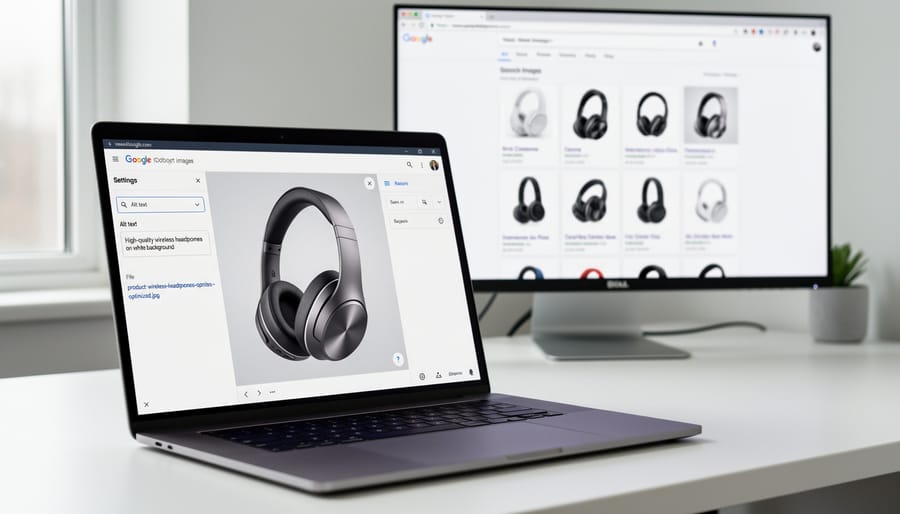
Image Optimization for E-Liquid Product Photos
High-quality product images serve dual purposes in e-liquid reviews: they enhance user experience and create additional ranking opportunities through Google Image search. Start with strategic file naming that includes descriptive keywords rather than generic camera outputs. Instead of “IMG_2847.jpg,” use “strawberry-custard-vape-juice-60ml.jpg” to signal relevance to search engines.
Alt text provides critical context for search crawlers and accessibility tools. Write concise, descriptive alt text that accurately represents each image while naturally incorporating relevant keywords. For example: “Blue Razz e-liquid bottle 30mg nicotine strength” offers more value than simply “vape juice bottle.”
Image compression directly impacts page load speed, a confirmed ranking factor. Use tools like TinyPNG or ImageOptim to reduce file sizes without sacrificing visual quality, aiming for under 100KB per image. WebP format offers superior compression compared to traditional JPEG while maintaining quality.
Structure your image strategy around Google Image search optimization by creating unique product shots from multiple angles, including packaging details and size comparisons. These visuals complement your building community engagement efforts by providing shareable, informative content that attracts organic traffic from image searches and drives qualified visitors to your review pages.
Internal Linking Strategies for Review Content
A strategic internal linking architecture transforms individual review pages into a powerful network that distributes authority throughout your site while guiding users toward conversion points. Start by establishing a hierarchical structure where category pages (such as “Fruit E-Liquids” or “Nicotine Salt Reviews”) serve as hub pages linking to individual product reviews within that category. Each product review should link back to its parent category page and to related reviews, creating a natural flow that keeps users engaged.
Implement contextual links within review content that connect to comparison articles when relevant. For instance, if reviewing a strawberry e-liquid, link to your “Best Strawberry E-Liquids Compared” article. This approach increases time on site and provides additional value to readers seeking comprehensive information before purchasing.
Create dedicated comparison pages that aggregate multiple reviews, linking to each individual product assessment. These comparison pieces become powerful authority hubs that pass link equity to individual reviews while capturing broader search terms. Include navigational elements like “Related Reviews” sections at the bottom of each page, featuring three to five relevant products based on flavor profile, brand, or nicotine strength.
Maintain consistency in your anchor text strategy by using descriptive phrases that include product names and key attributes rather than generic “click here” language. This practice enhances both user experience and search engine understanding of your content relationships.
Content Quality Signals That Boost Rankings
Demonstrating Expertise and First-Hand Experience
Establishing genuine expertise in vape e-liquid reviews requires demonstrating first-hand product experience that search engines and users can recognize as authentic. Begin by incorporating detailed sensory descriptions that only someone who has personally tested the product could provide. Document flavor profiles using specific terminology—describe not just “fruity” but “ripe mango with subtle papaya undertones and a cooling exhale.” Include observations about throat hit intensity, vapor production characteristics, and how flavors evolve throughout the vaping experience.
Implement transparent testing methodology by documenting your review process. Specify the devices used for testing, wattage settings, coil resistances, and the duration of testing periods. This technical detail demonstrates thoroughness while helping readers understand the context of your findings. Include comparison testing against similar products in the same flavor category or from competing brands, providing readers with practical purchasing context that builds authority.
Photograph products yourself rather than using manufacturer stock images. Original photos showing bottles from multiple angles, labeling details, and even your testing setup provide visual proof of hands-on experience. Consider including photos that capture liquid color and consistency, which helps readers make informed decisions.
Address both positive attributes and limitations honestly. Transparency about potential drawbacks—whether pricing concerns, availability issues, or flavor intensity that may not suit all preferences—enhances credibility significantly. This balanced approach signals to both search algorithms and readers that your content prioritizes genuine guidance over promotional messaging, ultimately strengthening your site’s expertise signals and improving long-term search performance.
User-Generated Content and Review Aggregation
User-generated content transforms vape e-liquid reviews from static product descriptions into dynamic, trustworthy resources that search engines reward. Customer reviews, ratings, and detailed comments provide fresh, authentic content that addresses real user concerns—exactly what Google values when determining search rankings.
Implementing a robust review system on your vape product pages adds substantial indexed content naturally incorporating long-tail keywords that customers actually use. When vapers describe flavor profiles, throat hit, or device compatibility in their own words, they create semantic richness that algorithms recognize as genuine and relevant. This user-generated text helps your pages rank for conversational queries that match real search behavior.
Review aggregation from multiple sources strengthens credibility while expanding your content footprint. Consider integrating reviews from your website, social media platforms, and third-party vape communities. Display aggregate ratings using schema markup to enable rich snippets in search results, significantly improving click-through rates.
Engagement signals from active comment sections and review interactions directly impact rankings, particularly since Google’s page experience update prioritized user interaction metrics. Respond promptly to customer reviews—both positive and negative—to demonstrate active community management and encourage ongoing participation.
Moderate content carefully to maintain quality while preserving authenticity. Flag and address fake reviews that could damage credibility, but resist over-editing genuine customer feedback. Implement verification systems for confirmed purchases to enhance trustworthiness. Regular content updates from new reviews signal freshness to search engines, providing consistent SEO benefits without requiring constant editorial effort from your team.
Technical SEO Considerations for Review Sites
Managing Duplicate Content in Product Reviews
Reviewing multiple e-liquid flavors or product variants creates significant duplicate content risks that can undermine your SEO performance. When your review pages share similar structure, specifications, or descriptions, search engines may struggle to determine which version deserves ranking priority.
Implement canonical tags strategically when you have unavoidable duplicate content across variant pages. For example, if you review three nicotine strengths of the same flavor, designate the most popular variant as the canonical version while ensuring other pages still provide unique value through strength-specific usage insights.
Content differentiation is your primary defense against duplication penalties. Even when reviewing similar products, create distinct narratives by focusing on different user perspectives. One review might emphasize flavor intensity for experienced vapers, while another highlights smoothness for beginners. Vary your testing methodology descriptions, comparative benchmarks, and user experience observations.
For similar flavors within a brand’s line, develop unique comparison angles. Rather than repeating identical device compatibility information, discuss how each flavor profile performs differently with specific hardware configurations. Include variant-specific customer testimonials and purchasing considerations that naturally distinguish each review. This approach maintains review consistency while delivering genuinely differentiated content that serves both users and search algorithms effectively.
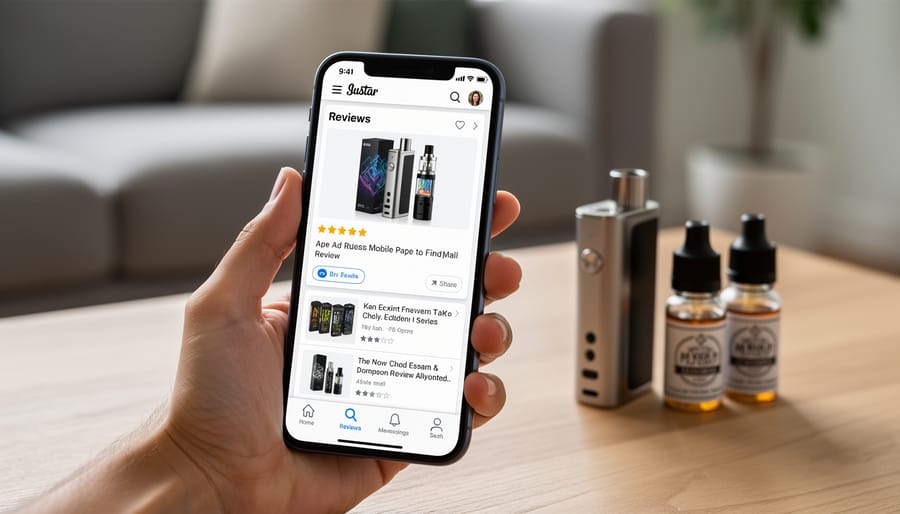
Mobile Optimization for Vape Shoppers
Mobile optimization has become non-negotiable for vape e-liquid review sites, as industry data shows over 70% of vape-related searches occur on smartphones. Google’s mobile-first indexing means your mobile experience directly impacts rankings across all devices.
Start by implementing responsive design that adapts seamlessly to different screen sizes. Review pages must load quickly on mobile networks—aim for under three seconds. Compress images of product bottles and vape devices without sacrificing visual quality, and leverage browser caching to improve repeat visitor speeds.
Ensure review content is easily scannable on smaller screens. Break text into short paragraphs, use collapsible sections for detailed specifications, and position calls-to-action where thumbs naturally reach. Mobile users want quick answers about flavor profiles, nicotine strengths, and pricing.
Page speed optimization extends beyond technical fixes. While strategic link building supports authority, and regulatory compliance ensures legal positioning, your mobile experience determines whether users engage with reviews. Test your site using Google’s Mobile-Friendly Test and PageSpeed Insights, prioritizing fixes that impact both user experience and Core Web Vitals. Remember that faster mobile sites convert better, turning review readers into customers more effectively.
Link Building Strategies for Vape Review Content
Creating Comparison Guides That Earn Natural Links
Comprehensive comparison guides serve as powerful link magnets within the vaping community when executed strategically. Develop detailed side-by-side analyses comparing popular e-liquid brands, flavor profiles, VG/PG ratios, and price points across multiple products. Structure these comparisons with clear data tables, objective scoring criteria, and unbiased assessments that vapers genuinely find valuable when making purchase decisions.
The key to earning natural backlinks is creating genuinely useful reference material that forum moderators, bloggers, and industry publications want to cite. Include technical specifications, ingredient transparency ratings, flavor intensity scores, and value-per-milliliter calculations that aren’t readily available elsewhere. This positions your comparison guides as authoritative resources that other content creators naturally reference.
Expand beyond basic product comparisons by developing specialized guides addressing niche queries: nicotine salt versus freebase formulations, premium versus budget brand analyses, or regional flavor preference trends. These targeted comparisons attract links from specialized vaping communities and discussion boards where enthusiasts seek expert guidance.
Maintain objectivity and transparency throughout your comparisons, clearly disclosing any affiliate relationships while prioritizing factual accuracy. This credibility encourages industry sites and review aggregators to link to your content as a trusted resource, significantly strengthening your backlink profile and domain authority within the vape sector.
Navigating Vape Industry Link Building Challenges
The vape industry faces distinctive link building obstacles due to advertising restrictions on major platforms like Google Ads and Facebook. These limitations require creative approaches to earn authoritative backlinks without violating platform policies or regional regulations.
Focus on building relationships with industry-specific publications, harm reduction advocacy groups, and regulatory compliance organizations that naturally align with your content. Contributing expert commentary on legislation changes, product safety standards, or market trends positions your review site as an authoritative resource worth citing.
Prioritize local business directories, industry associations, and B2B platforms that accept vape-related businesses. Many traditional link building tactics like guest posting remain viable when targeting cannabis culture blogs, lifestyle publications, and smoking cessation forums where your expertise adds genuine value.
Maintain meticulous documentation of your link building activities to ensure compliance with evolving regulations. Avoid linking partnerships with sites promoting to minors or making unsubstantiated health claims, as these associations can damage your authority and trigger penalties. Instead, cultivate relationships with responsible retailers, manufacturers committed to quality standards, and educational resources that elevate industry credibility while building sustainable link equity for your vape e-liquid reviews.
Measuring SEO Success for E-Liquid Review Content

Tracking Rankings for Product-Specific Keywords
Monitoring keyword rankings for individual product reviews requires a systematic approach to identify which e-liquid products are driving organic traffic and which require optimization. Start by using rank tracking tools like Google Search Console, SEMrush, or Ahrefs to monitor positions for specific long-tail keywords such as “brand name flavor name e-liquid review” or “product name vape juice review.”
Create a spreadsheet tracking your top 20-50 product-specific keywords, recording weekly rankings and search visibility metrics. This data reveals patterns showing which reviews are gaining traction and which are stagnating. Pay particular attention to keywords ranking on page two of search results (positions 11-20), as these represent quick-win opportunities requiring minor content enhancements to break into page one.
When you identify underperforming reviews, analyze competing content to determine gaps in your coverage. Missing technical specifications, insufficient flavor descriptions, or lack of comparison content often explain lower rankings. Conversely, high-performing reviews should inform your content template for future product coverage.
Set up custom Google Analytics segments to track organic traffic and conversion rates for each review, connecting keyword performance to actual business outcomes and revenue generation.
Converting Review Traffic into Sales
Review traffic holds little value without conversion tracking infrastructure. Implement Google Analytics 4 events to monitor specific user actions on review pages, including product link clicks, add-to-cart buttons, and affiliate link engagement. Configure e-commerce tracking to attribute revenue directly to individual review articles, enabling data-driven content investment decisions. This granular visibility reveals which e-liquid reviews generate actual sales versus mere pageviews.
Analyzing user behavior through heatmaps and scroll-depth tracking identifies friction points in your conversion funnel. Notice where visitors abandon review pages or hesitate before clicking purchase links. This intelligence informs strategic placement of calls-to-action throughout your content. Position primary CTAs after detailed product descriptions and flavor profiles when purchase intent peaks, rather than prematurely interrupting the review narrative.
Optimize conversion elements by testing multiple CTA variations. Clear, benefit-focused buttons like “Check Current Price” or “View Flavor Options” consistently outperform generic “Buy Now” alternatives for informed shoppers reading reviews. Include trust signals near purchase links, such as verified buyer badges or satisfaction guarantees, to reduce purchase anxiety. For Canadian vape retailers, prominently display compliance certifications and regional availability to build credibility with local customers evaluating products through your review content.
Investing in SEO-optimized vape e-liquid review content represents a strategic decision that delivers compounding returns over time. Unlike paid advertising campaigns that cease generating traffic the moment budget runs out, properly optimized review content continues attracting qualified visitors months and years after publication. This makes SEO for vape e-liquid reviews one of the most cost-effective customer acquisition channels available to retailers in this competitive market.
The implementation strategies outlined throughout this guide—from structured data markup and technical optimization to strategic keyword targeting and user experience enhancement—work synergistically to position your review content where purchase-intent searchers can find it. When executed consistently, these tactics build domain authority, establish your brand as a trusted information source, and create multiple entry points for customers at various stages of their buying journey.
The vape industry’s regulatory complexity and platform restrictions make organic search visibility particularly valuable. While social media advertising faces ongoing challenges and payment processing limitations affect certain marketing channels, search engine optimization remains a stable, sustainable growth engine. Quality review content that genuinely helps consumers make informed decisions naturally attracts backlinks, social shares, and repeat visitors—signals that search algorithms reward with higher rankings.
Success in this space requires commitment to both technical excellence and content quality. Businesses that prioritize comprehensive, honest reviews while implementing the technical SEO fundamentals position themselves for long-term market leadership. The expertise required to execute these strategies effectively often benefits from partnering with experienced digital marketing professionals who understand both SEO mechanics and content marketing strategy.